
Home / Why ConstructDR
Why ConstructDR
Over a century of real-world building experience, focused on the problems that drive up your costs.
While there are many reasons cost overruns plague the construction industry, ConstructDR remains focused on the few we can best control, and help reduce the high cost of construction in a controlled, effective manner for our clients.
Our experience
From both sides of the industry
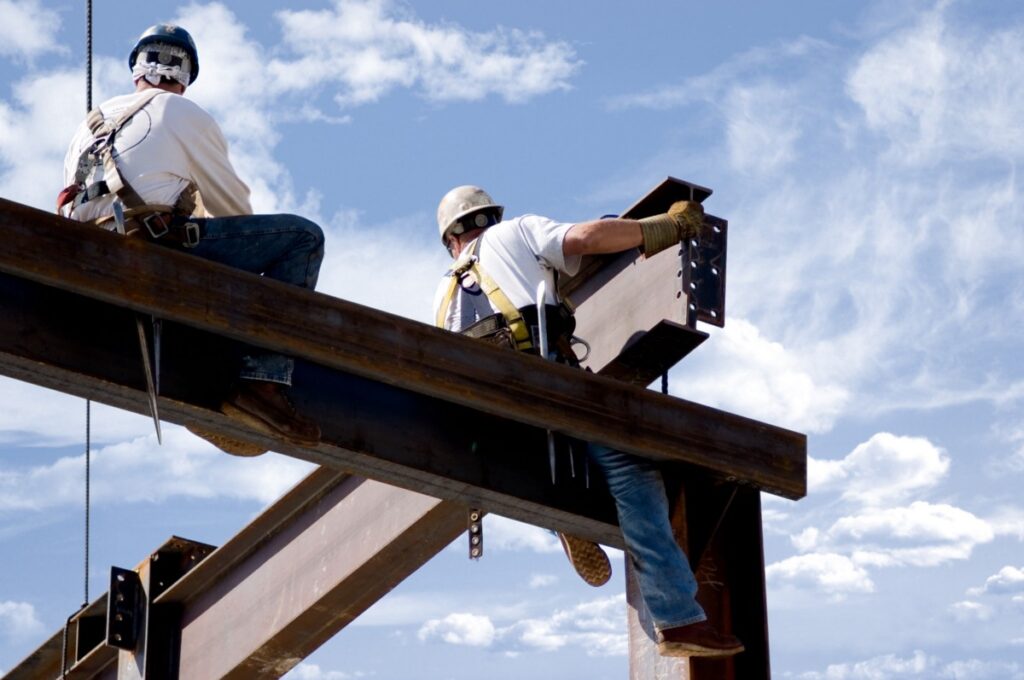
The ConstructDR review team has over a combined century of real-world construction knowledge and experience from both the design side and the construction side of the industry, building just about everything, from simple residential projects up to massive heavy civil infrastructure jobs and ICI builds.
ConstructDR's methods of finding design errors and omissions have been developed over the years through actually building from these designs, and having to find ways to fix any and all errors that presented themselves. Some problems require thinking outside the box for workable solutions, and applying lessons learned to every new project. We have seen the vast majority of issues that crop up from almost every design team, especially when the various designers do not properly coordinate their work.
Our focus on cost reduction and better project management also extends into the construction phase through our Project Management team, who come from managing many of the types of projects we typically work with.
What we've built
— Residential
— Heavy civil infrastructure
— ICI builds
— Mines
— Oil and gas
— Major hospitals
— Hotels
— High-rise mixed-use
— Water treatment plants
— Bridges and ports of entry
100+ years
Combined design and construction experience
Where overruns start: design
Many of the biggest cost overruns start right at the beginning, in the design stage.
There are a number of areas that affect the financial health of a construction project. Some create a major problem that opens the job up to huge and avoidable cost overruns. The industry is moving forward at a breakneck pace, and not everybody is operating at the same level of education and experience.
Experience is leaving the industry
Much of the older generation, just like in the trades, is retiring or leaving the industry and taking their vast knowledge and experience with them. Newer designers are trying to fill their shoes with far less experience.
New tools, new mistakes
Advances in design technology increase productivity in some areas, but open newer designers up to mistakes that tend to compound.
Extreme time pressure
Designers are under extreme pressure to churn out their work on restrictive timelines.
Tools without the know-how
Newer designers know the latest and greatest tools, but often lack the experience to understand why certain things have to be done a certain way to create a buildable project.
What we find and fix
Issues we constantly see, and are expert at locating and correcting
Bad design
Designs that look right on paper but can't be built efficiently, or at all. Designs that leave out critical data or conflict with the specifications create expensive problems that quickly snowball in added costs. The entire design has to be coordinated among all disciplines to make sure it is buildable. One design discipline that makes a mistake can greatly affect the entire team's work.
Errors and omissions
Mistakes in the drawings and items that are missing from the design altogether. An omission of something that normally takes $100 to install during construction can result in a $5,000 fix later in the field. These kind of mistakes kill a budget very quickly.
Quality and experience of the design team
The depth of knowledge and experience behind the drawings varies widely from team to team. Newer, younger talent coming into the industry are far less experienced than those they are trying to replace. They may know the latest in new technology, but it can take years to get to the point where their contribution to the design team is at a suitable level.
Work passed down without review
Senior staff pass work to inexperienced designers and have little time for effective reviews under pressure to get drawings out. Simple mistakes caused by “copy and paste” leave everything from extra lines that go nowhere to measurement tags that don't make sense. Things get missed and slip through to the construction team, who then start a long list of RFIs looking for answers.
Theory versus reality
A designer's background is most often based on theory. Line drawings only show the intent, and fail to account for the actual physical space needed to accommodate the building and its servicing requirements. There is only so much physical space in a building; if one designer misses a critical element, things don't fit and the design has to be re-evaluated and corrected.
We check the fix, too
After a correction, we conduct an additional review to make sure the design change doesn't adversely affect something further down the build that wasn't taken into consideration.
Where overruns start: design coordination
Failure to coordinate the design is one of the costliest issues in construction, worldwide.
It adds greatly to needless cost overruns and to the incredible amount of waste generated by the industry.
Design teams are led by an architect, who dreams up the project based on the client's input. Architects are true artists, sometimes at brilliant levels of experience and knowledge, but they need help to make the design work.
Engineers from the structural, mechanical, plumbing, HVAC, electrical, civil and sprinkler disciplines, each expert in their own field, make up the rest of the core team. A vast number of specialist designers and engineers must also join the project, each adding their expertise to the mix. The demand on every discipline's time and ability is increasing continually, and that is where things slip between the disciplines.
Real example
— Has the mechanical designer confirmed with structural that the roof can carry the rooftop units, or will the roof have to be redesigned with more steel after this was missed in coordination?
— Miss this and the project takes a big financial hit. Too many of these and the project is in financial trouble.
The snowball effect
One mistake
can send costs soaring through the stratosphere
One simple mistake that slips through can start a snowball effect that sends costs soaring through the stratosphere, and creates very frustrated owners. We have seen this all too often in real time, and we're here to help stop it before it starts.